Fixing a tooth infection may improve blood sugar and heart health

New research suggests that treating certain dental infections could help lower inflammation associated with heart disease, while also improving blood sugar and cholesterol levels.
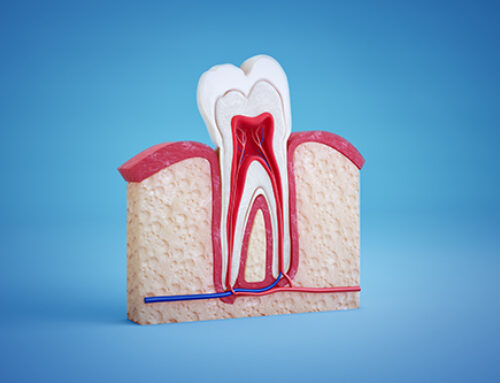
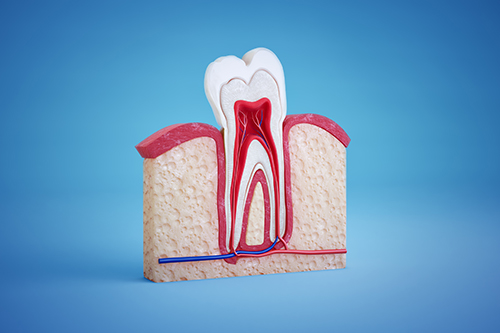
Researchers at King’s College London conducted a clinical study examining changes in blood chemistry after patients received root canal treatment for a common dental infection (apical periodontitis). This infection can allow bacteria from the tooth to enter the bloodstream, triggering inflammation. Increased inflammation has been linked to higher risks of heart problems and difficulties controlling blood sugar. Although scientists have long suspected that oral infections can affect overall health, the potential benefits of successfully treating these infections had not been closely examined until now.
The researchers found several encouraging changes in patients after successful root canal treatment: improved glucose metabolism; better lipid profiles; reduced inflammation; and, bacteria originating from infected teeth appeared to influence the body’s overall metabolic processes.
The study monitored 65 patients receiving care at Guy’s and St Thomas’ NHS Foundation Trust. Researchers followed participants for two years after their root canal procedures. During that time, scientists analysed molecules circulating in the patients’ blood to better understand how the body processes sugar, fats, and other important substances. These analyses also revealed how the body responds to infection and treatment.
Lead author Dr Sadia Niazi said: “Our findings show that root canal treatment doesn’t just improve oral health – it may also help reduce the risk of serious health conditions like diabetes and heart disease. It’s a powerful reminder that oral health is deeply connected to overall health”.
The study is published in the Journal of Translational Medicine.
From: https://www.sciencedaily.com/releases/2026/03/260315225156.htm.