Scientists discover a hidden heart valve risk linked to gum disease
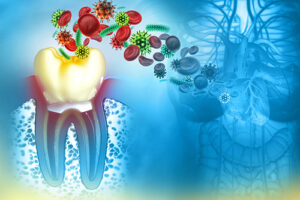
Bacteria that cause gum disease may do more than damage teeth. New preliminary research suggests that they could also contribute to the buildup of calcium in the heart’s aortic valve, potentially leading to calcific aortic valve stenosis (CAVS), a common and potentially life-threatening heart valve disorder. The findings were presented at an American Heart Association (AHA) conference in July.
According to the AHA, CAVS develops when the aortic valve gradually becomes thicker and more calcified, making it harder for blood to flow from the heart to the rest of the body. The new research points to a possible biological mechanism connecting chronic gum disease and infection with the development of CAVS. The team concentrated on Porphyromonas gingivalis (P. gingivalis), a bacterium known to play a major role in periodontal disease.
To investigate the connection, researchers analysed bacterial levels in heart valve tissue. They compared calcified aortic valves from people with CAVS to valve tissue from patients with other heart valve conditions, and were surprised by how much P. gingivalis was present in the calcified aortic valves.
The researchers then turned to mouse experiments to better understand a possible disease mechanism. Repeated exposure to live P. gingivalis caused the bacteria to accumulate in the aortic valves of mice, leading to greater valve calcification and symptoms of aortic stenosis.
Co-lead author of the study Chenyang Li MD said: “While it is still too early to recommend specific treatments for preventing CAVS, our findings suggest that periodontal health could be an important piece of the puzzle”. The researchers emphasise that these results are preliminary and have not yet been confirmed in people.
From: https://www.sciencedaily.com/releases/2026/07/260713000751.htm.